Homeowner's guide on how to choose the right faucet for a vanity
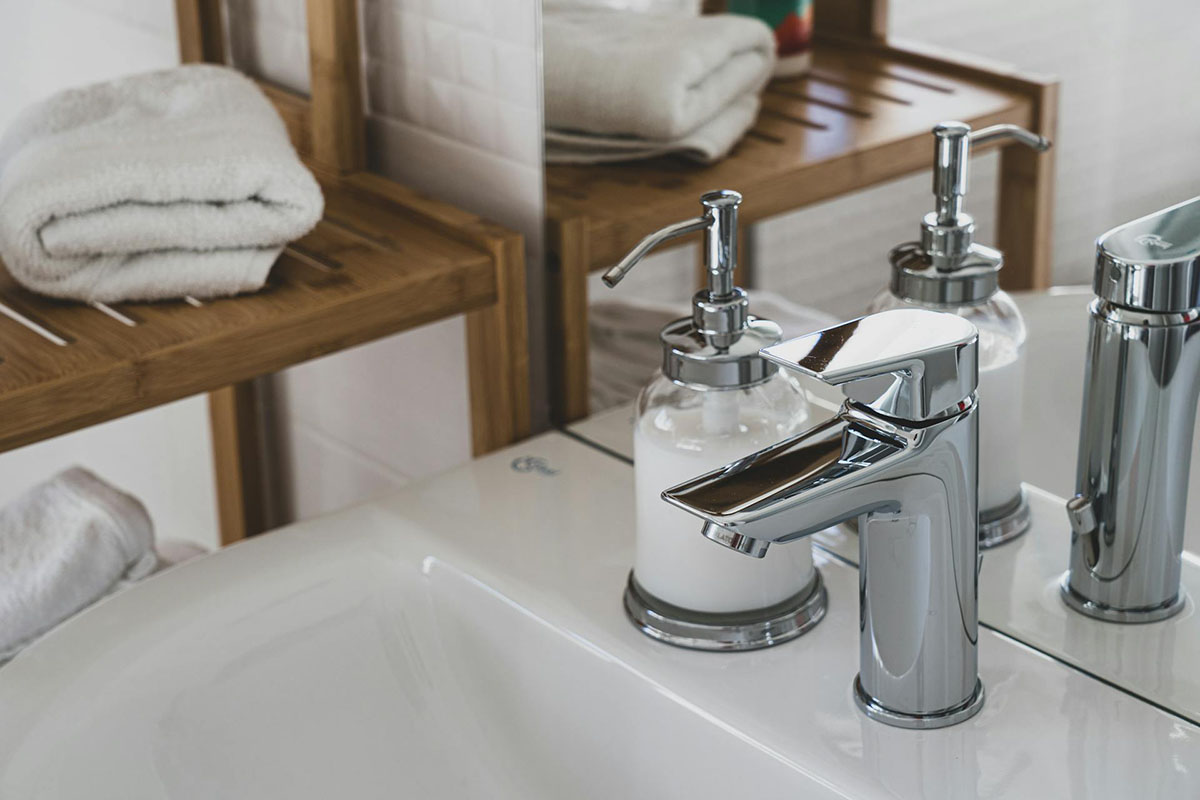
When renovating your bathroom, you usually think about the tiles, lighting or vanity. Bathroom faucets often come as a last-minute purchase, so you might not give them much thought. Anyone who has lived with a badly chosen bathroom faucet knows how important it is to daily comfort, water efficiency, and overall appearance. Even though it's not the first thing we think of, it's one of the things that we use most.
Modern bathroom taps do a lot more than just deliver water. They affect how the vanity functions and set the tone of the space. They also visually link textures, finishes and proportions. In order to select the right faucets for the bathroom, you need to look beyond the latest trends. You also have to consider how form and mounting come together.
This Cut2Size guide is for all homeowners who are navigating their renovation. It combines design and functionality, using a simple logic to help readers make confident choices.
Types of bathroom faucets
A common frustration in renovations occurs early on: you order a beautiful sink faucet, only to find that it does not match your countertop, plumbing, or sink. Knowing the types of faucets before you shop will help avoid unnecessary returns, delays and compromises.
Bathroom faucets are primarily defined by the way they are mounted and operated. These differences in technical terms may seem small, but their impact on usability, cleaning and long-term satisfaction is significant.
Hole & mounting configuration
The hole pattern in your sink and counter determines the type of bathroom faucet that will fit into your space. It is particularly important in renovations, where the existing plumbing will be reused.
Common mounting configurations are for a vanity and wall-mounted:
-
Single-hole bathroom faucets
For modern or minimalist vanities, single-hole bathroom sink faucets are commonly chosen. They have a compact footprint that makes it easier to use. These are great for small vanities with integrated sinks. -
2-hole bathroom faucets
This is when one hole is for the spout, and the other is for a single control. This configuration is often found in custom vanities or older sinks, when replacing the sink was not part of the renovation plan. Choosing this fixture can help bridge the gap between old-fashioned layouts and modern aesthetics. -
3-hole bathroom faucets
These are used with sinks which have three holes close together. 3-hole bathroom sink faucets are a timeless, practical option. Popular in family bathrooms due to their affordability and functionality. -
Centerset bathroom faucets
They are compact units designed to fit small vanity sinks. While centerset faucets are often associated with traditional bathroom styles, they now come in many different forms and finishes to suit modern interiors. -
Widespread bathroom faucets
These sink faucets feature separate spout and handle configurations, often found in bathrooms with an emphasis on design or luxury. Bathroom widespread faucets are more difficult to install, but they offer a balanced visual result and flexibility. -
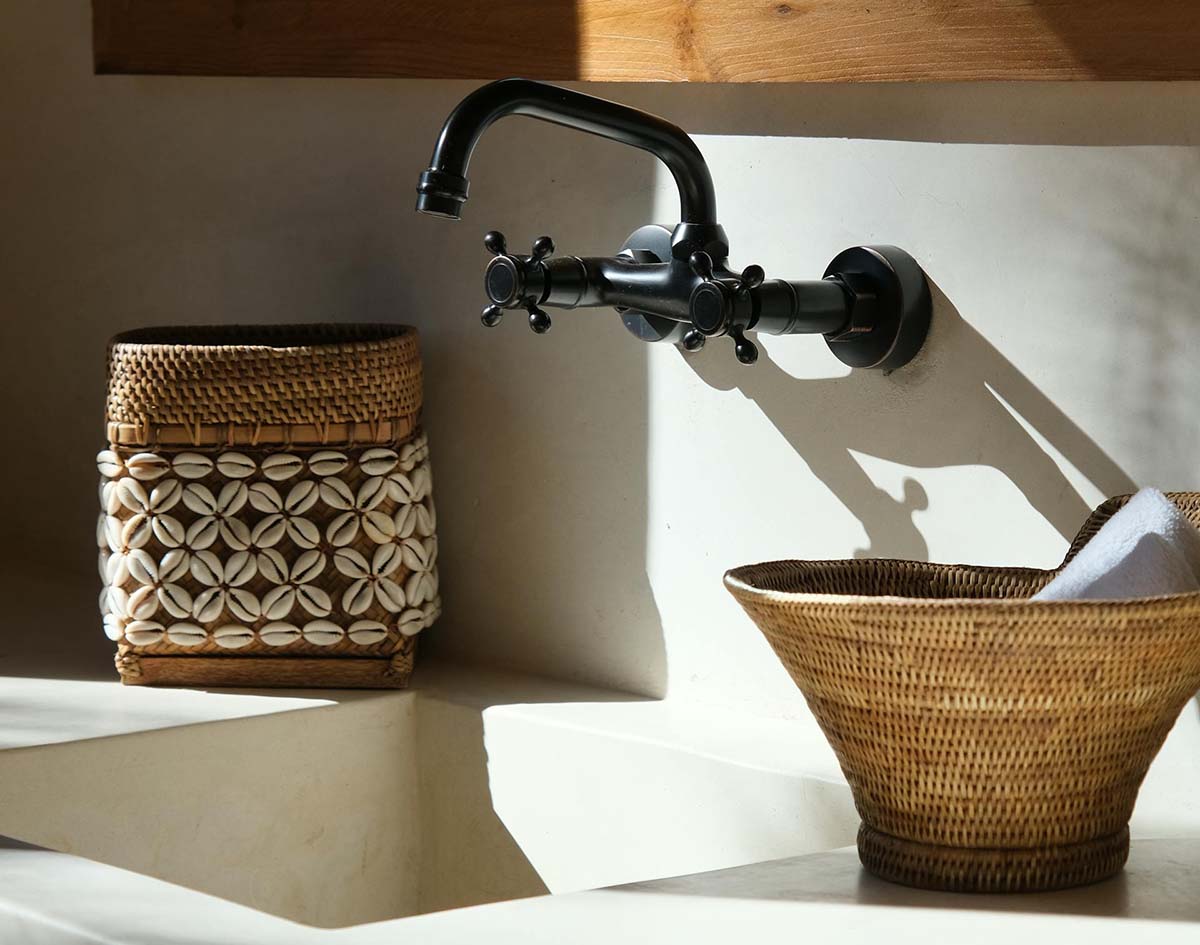
Wall-mounted bathroom faucets
If you consider moving plumbing up into the walls themselves, this might be your choice. This gives the bathroom a clean, modern look, while freeing up the vanity surface. Wall-mounted models require professional installation and precise planning.
Handle types
The faucet handle design affects accessibility and comfort as well as visual communication. Small details can have a big impact on your daily life.
The most common types of handles are:
-
Single-handle bathroom faucets
-
Double-handle configurations
With a single-handle bathroom tap, you can control the temperature and flow of water with just one movement. These faucets are easy to use, conservational, and perfect for family or shared bathrooms. Single-handle bathroom sink faucets also look sleek and modern, which is perfect for contemporary interiors.
Double-handle taps, with one handle for hot and the other for cold, offer precise temperature control as well as a classic look. These faucets are often more formal, especially in luxury or vintage bathroom faucets. However, they require a little more effort to use on a daily basis.
Faucets for vanities
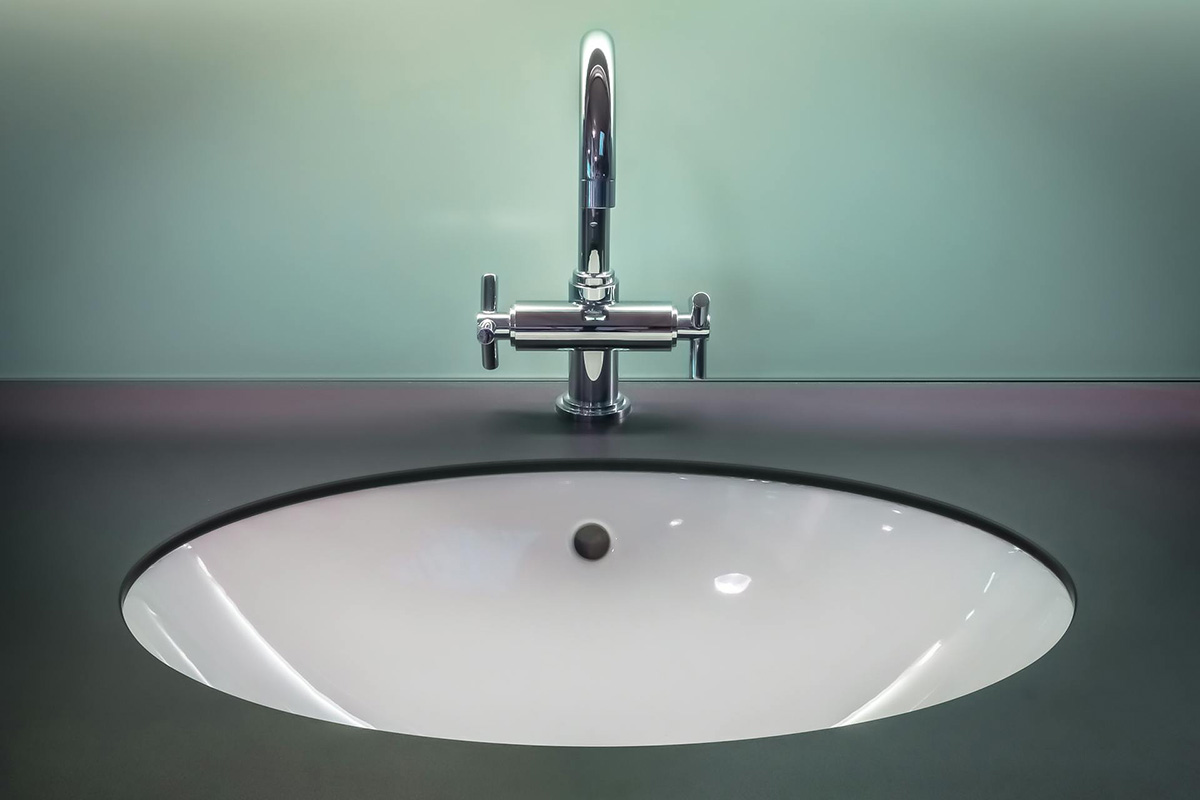
Many bathroom designs are centred on a vanity. When paired with the incorrect sink depth, spout length, or basin shape, a bathroom sink faucet that appears beautiful on its own can seem awkward. So, faucets for a bathroom sink should be chosen in relation to the vanity style, basin and countertop.
Bathroom designers even spend extra time on bathroom vanity sink faucets because any misalignment in everyday use is immediately noticeable.
-
Spout height relative to basin depth
For comfortable daily use, the vertical distance from the faucet spout outlet to the basin bottom should typically fall between 15-20 cm (6-8 inches). When used with vessel sinks, taller bathroom sink faucets or wall-mounted bathroom faucets may be required, and this distance increases by 20-25 cm (8-10 inches) depending on vessel height. -
Spout reach to avoid splashing
The spout reach (the horizontal distance between the faucet base and the water outlet) should be positioned close to the middle of the basin. For most bathroom sinks, this is 10-15 cm (4-6 inches). A reach that is too short would result in splashing on the slope at the back; a reach that is too long could cause water to hit the drain edge and cause increased splashing. -
Clearance for handwashing and cleaning
The clearance between the sink rim and faucet spout is crucial to its usability. It is recommended that adults have a minimum vertical clearance of 12-15cm (5-6inches). This will allow for plenty of room to wash your hands, access soap dispensers and perform routine cleaning. -
Compatibility with integrated or vessel sinks
For integrated sinks, faucets should be aligned so the spout lands 2.5-5 cm (1-2 inches) behind the centerline of the basin and allows water to move toward its drain more naturally.
For vessel sinks, the faucet outlet should ideally be placed 2.5-7.5 cm (1-3 inches) above the rim and centred horizontally. You can use either a tall deck-mounted bathroom faucet or wall mounted faucet. Precision is the key when working with custom countertops or pre-cut surfaces.
Bringing faucet style and function together in bathroom design

Bathroom faucet styles can be described in visual terms - modern, vintage, luxurious - but during a renovation, the style of a bathroom faucet should not only be considered an aesthetic decision. The right style of faucet enhances comfort, makes cleaning easier, and is a good match for how you use the bathroom on a regular basis.
You can find our complete guide to bathroom faucet ideas, which will help you explore the fundamentals of faucet materials, finishes and internal components. In this section, we’ll start with the basics, such as placement, ergonomics, maintenance and then visual expression.
Step 1: Faucet placement and daily comfort
Consider the position of the faucet in relation to your sink and vanity before choosing the style. The placement of the faucet can affect everything from splash control to the comfort of use.
Deck-mounted bathroom taps, whether single hole, centreset, or widespread, sit directly on the vanity. The faucets are familiar, easy to maintain, and can be adjusted easily.
Wall-mounted bathroom faucets are appealing as they provide a cleaner, more attractive visual line. They also free up counter space. They require careful planning and sufficient wall depth in order to hide the plumbing. This may limit their installation options.
A sink's bowl should be perfectly aligned with the spout height, reach, and clearance. The water should flow into the basin, the hands must fit comfortably beneath the spout and the daily use of the sink should feel intuitive, not forced.
Step 2: Match style to cleaning tolerance
A cleaning routine is something often overlooked. The choice of bathroom faucet shape, finish and detail impacts the cleaning frequency as much as it does long-term appearance.
Chrome bathroom faucets with their minimalist detailing and simple lines are the easiest-to-clean option. The fewer grooves, joints and edges mean that mineral deposits are less likely to accumulate. Modern bathroom faucets are perfect for homes with lots of activity or bathrooms in which cleaning must be done quickly.
Cross handles, decorative bases and curved spouts are common features of vintage bathroom faucets. They are visually appealing, but they require more maintenance. These styles are for homeowners who want to add character and are willing to do a little more maintenance.
Step 3: Align faucet style with bathroom scale
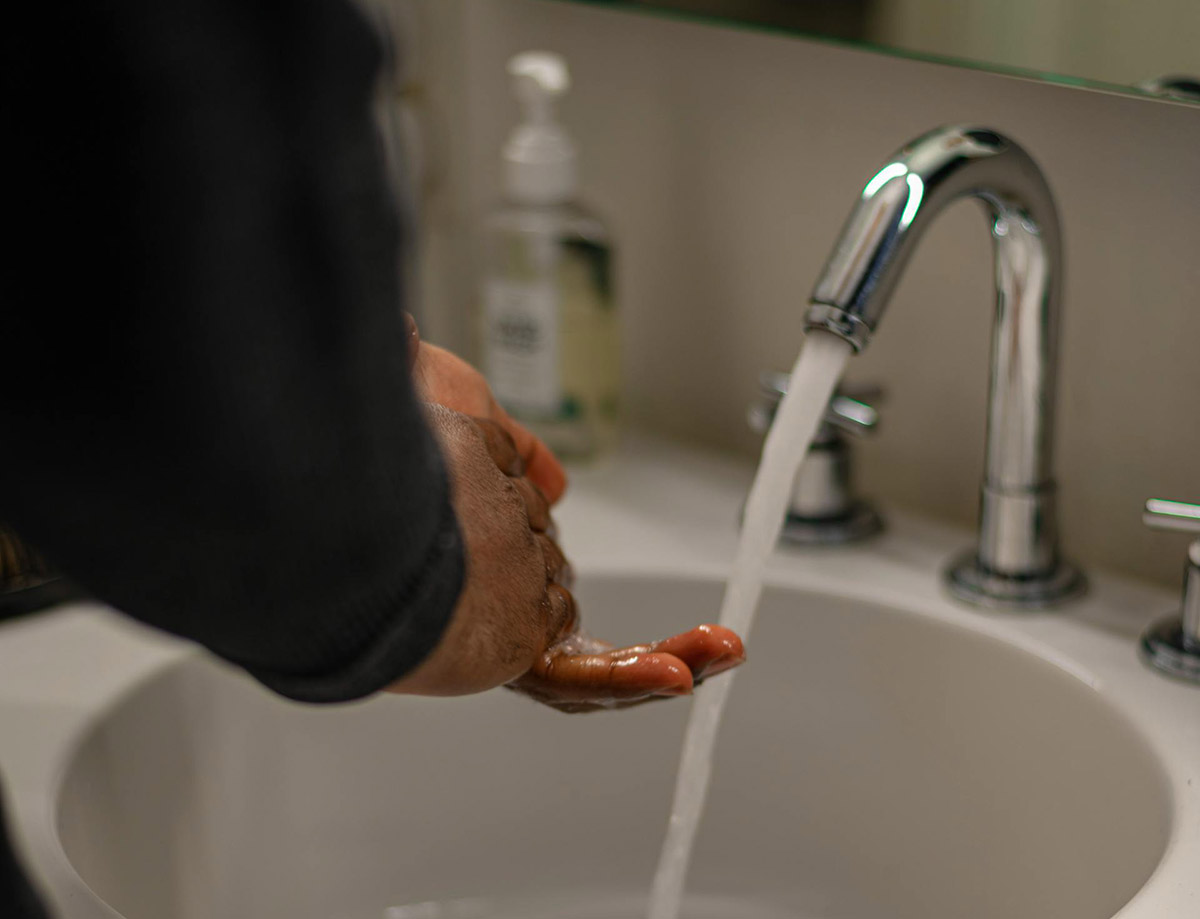
The size of the faucet should be proportional to its space. Widespread faucets can be overwhelming for smaller vanities. However, delicate centrepiece designs may feel out of place in large bathroom vanities.
Modern and contemporary single-handle bathroom taps are best suited for smaller bathrooms and powder rooms. Their streamlined shapes maintain the visual openness of the sink area.
More flexibility can be achieved with larger bathrooms and suites. Luxury bathroom faucets with a distinctive style can be focal points without disturbing the balance. The wider configurations of spouts or the taller ones often seem more appropriate for large spaces, as long as they are supported by the sink depth.
Step 4: Consider water flow and user experience
Beyond appearance, different faucet styles deliver different sensory experiences. Understanding this can help homeowners choose features that will simplify, and not complicate, their daily routines.
As an example, waterfall bathroom faucets can create a soothing and relaxing stream. Use them on wide basins that can handle more water without splashing. While they look fantastic, they might not be the right choice for small bathrooms or sinks that are heavily used.
Touchless bathroom taps have been designed to meet needs, such as hygienic, convenience and water-saving. These devices shut off automatically to prevent waste from leaving taps running. They often use low-flow aerators to further reduce flow rates.
Bathroom faucets with sprayers are a niche product, but can be useful in bathrooms with a utility focus or where the sink is rinsed frequently.
Step 5: Let trends support the function, not override it
Bathroom design trends evolve, but the most successful are those that support comfort in everyday life. The best bathroom taps will often adapt to a variety of interiors. Most homeowners select them because they're a durable, good option.
Sink faucets for the bathroom can be a great way to elevate the space if they match the vanity, the basin, and the layout. Selecting them alone can make them impractical and look out of place.
Choose a tap that works in your bathroom
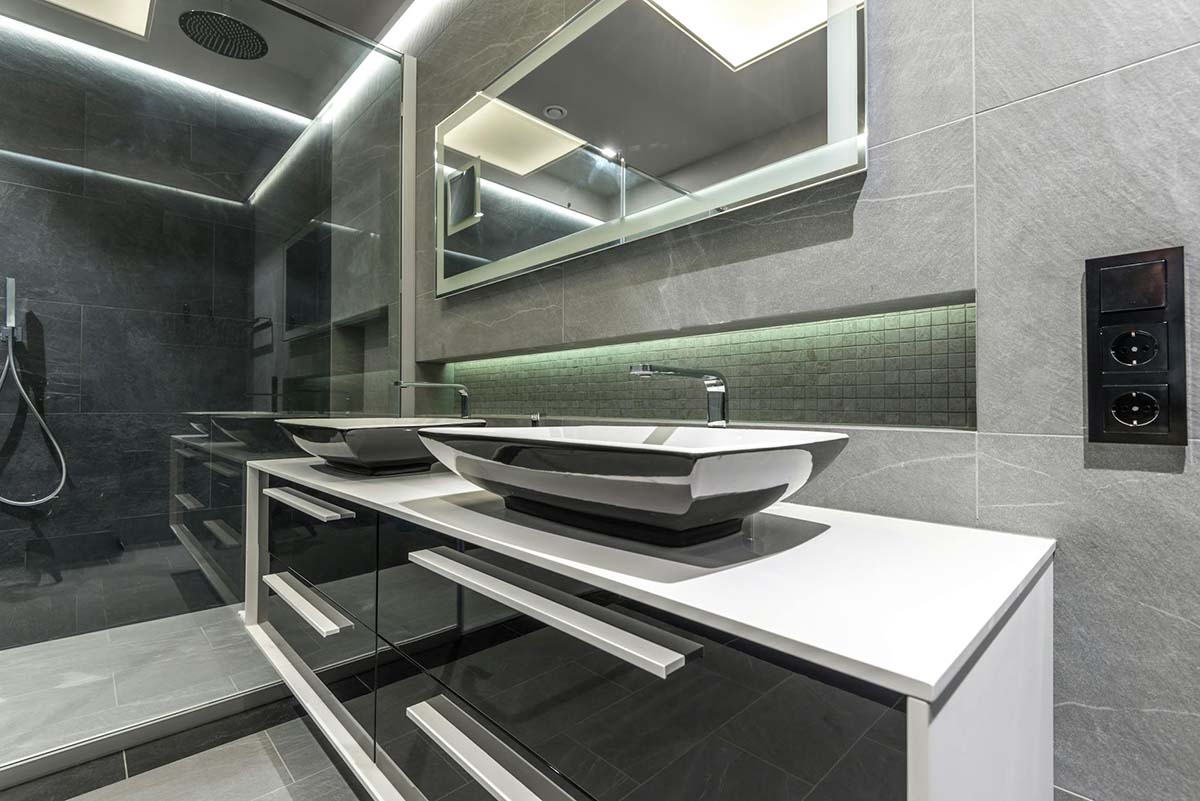
As we already know, it is rare that the best faucets for the bathroom are chosen alone. They are chosen as part of an integrated system, including the vanity, sink, counter, lighting and daily habits. The key to achieving the desired result is asking the right early questions.
Always keep in mind:
-
What is the purpose of this faucet?
-
Who is the person who uses this bathroom the most?
-
What finishes are already in your home?
-
What will still be right in ten more years?
These considerations will help you to make the right decision, that would take into account your needs, daily habits and design preferences. Understanding faucet types, vanity compatibility and proper planning can help homeowners move from confusion into clarity. The right faucets can bring you lasting comfort, visual harmony and quiet confidence. A well-designed house should be equipped with this.