Homeowner's Guide to Thermofoil Kitchen Cabinets
Cabinets define your kitchen's style, functionality and feel. Thermofoil cabinets in a kitchen have become a popular choice for Canadian homeowners because they combine durability and modern design with a cost-effective solution. Before you make your final choice for a renovation project, it is important to understand what thermofoil is, its pros and cons, and the differences between other cabinet materials.
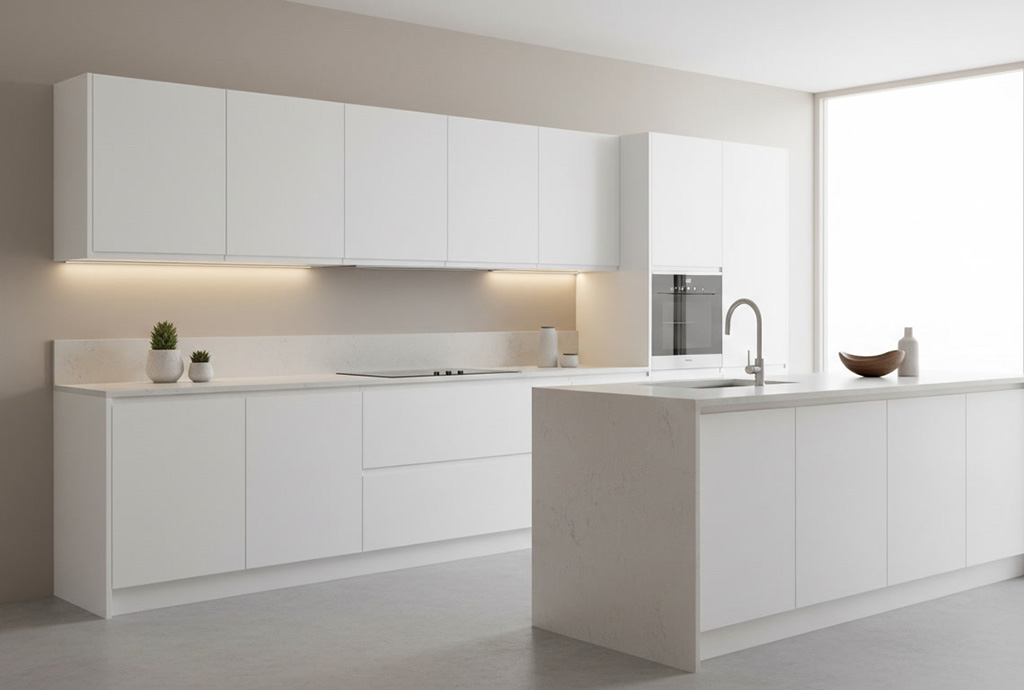
This guide will cover everything you need to know about kitchen cabinet thermofoil. From the basics, to customizing options, popular colours, care tips and how to repair or refinish them. On Cut2Size, we would like to assist you in making informed decisions, whether you are looking to purchase a full thermofoil kitchen cupboard set or just replacing thermofoil cabinet doors.
What are thermofoil kitchen cabinets?
Thermofoil, a thin layer of vinyl laminate that is heated and vacuum-pressed over MDF board. This results in a durable, smooth finish that might look like painted, stained wood or lacquered surfaces. This process seals off the surface of the cabinet, making it more resistant to moisture and scratches.
Kitchen thermofoil cupboards are available in glossy or matte finishes and various textures. These cabinets are popular for modern kitchens, as they offer a sleek appearance at a fraction of the price of custom-painted or solid wood cabinets.
Advantages of thermofoil kitchen cabinets
Homeowners often mention these benefits when choosing kitchen cabinets with thermofoil.
-
Cost-effectiveness. Thermofoil is more affordable than solid wood or painted MDF, which makes it a good choice for partial and full upgrades.
-
Durability. The heat-pressed vinyl surface is resistant to daily wear and tears, scratches and moisture exposure.
-
Consistency. Unlike wood, the thermofoil ensures a uniform finish and colour across all cabinet surfaces.
-
Low maintenance. Cleaning thermofoil cabinetry is as simple as using a damp cloth, diluted with mild soap.
-
Versatility. Available in high gloss finishes as well as matte, wood textures and custom colours.
Although thermofoil offers many benefits, there are also limitations. Durability concerns include peeling, chipping and damage caused by prolonged moisture or heat. You can find thermofoil kitchen cabinets reviews that will include both the pros and cons of each manufacturer.
Peeling is the most common problem, and it's often caused by prolonged exposure to heat or water. Correct installation and sealing are therefore vital. It is crucial to ensure that they are sealed and installation is done correctly.
Despite these challenges, thermofoil offers a balance between durability, beauty and affordability that is unmatched by other alternatives. Understanding these factors helps you choose the style and installation technique.
Thermofoil vs other cabinet materials
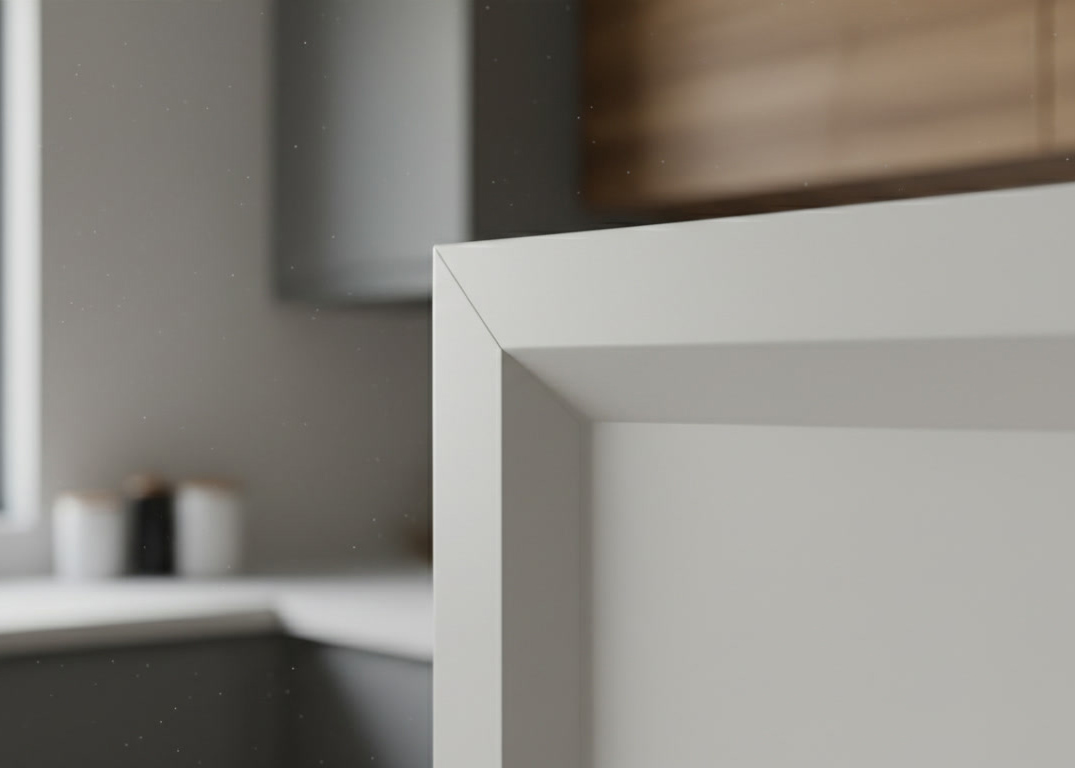
If you want to choose the best thermofoil kitchen cabinets, make sure that they come from a reputable supplier. Also, ensure that there is a solid MDF core and edge bandings to reduce the risk of peeling.
Let's compare thermofoil kitchen cabinets vs other popular finishes to help you make an informed decision.
|
Material |
Pros |
Cons |
|
Thermofoil |
Cost-effective and budget-friendly. |
Exposure to high heat can cause peeling or warping; |
|
Laminate |
A wide range of colours and textures; with realistic woodgrains; |
Exposed edges can be noticeable; |
|
Acrylic finish |
Premium appearance with ultra-high gloss; |
More expensive than thermofoil and laminate; |
Think about your lifestyle and how your kitchen is used on a daily basis when selecting the right material. Thermofoil can be a great option if you're looking for a cost-effective finish and an easy-to-clean option that offers a seamless appearance. The laminate finish is better if you are looking for realistic textures, durability, and heat resistance in a busy kitchen. If you want to create a luxurious, ultramodern space with high-gloss, striking surfaces, then acrylic is your best option.
Customization options
The material's flexibility allows for unique cabinet styles and sizes that fit specific kitchen layouts. Unlike prefabricated wood or laminate cabinets, thermofoil can be applied precisely and customized to any shape or specialized cabinet type - making it the ideal solution for homeowners who desire a truly custom kitchen.
-
Thermofoil can be used to create cabinets with custom widths, heights, and depths. This is particularly useful for kitchens that have unusual dimensions, awkward corners, or sloped ceilings.
-
You can use thermofoil on cabinets with glass inserts, fluted or grooved doors, and many other decorative styles. The result is a seamless, uniform finish. It is possible to create a unique design combining modern minimalism with classic and textured accents.
-
Thermofoil is a versatile material that allows you to customize your door and panel designs. You can go with frameless thermofoil kitchen cabinets, shaker style or inset panels. All while maintaining its smooth, practical surface.
As thermofoil is heat pressed over MDF, these custom shapes can be produced with precision, durability and the look of an expensive custom-made kitchen. You can customize your look with open shelving, accent colour and various thermofoil kitchen doors while still maintaining a minimal-upkeep surface.
A few popular colours and finishes
Colour and finish are important factors when choosing thermofoil kitchen cabinets. The most popular colours are not chosen by homeowners accidentally, but because of their blend of practicality, aesthetics, and versatility. And there are reasons these colours consistently rank at the top.
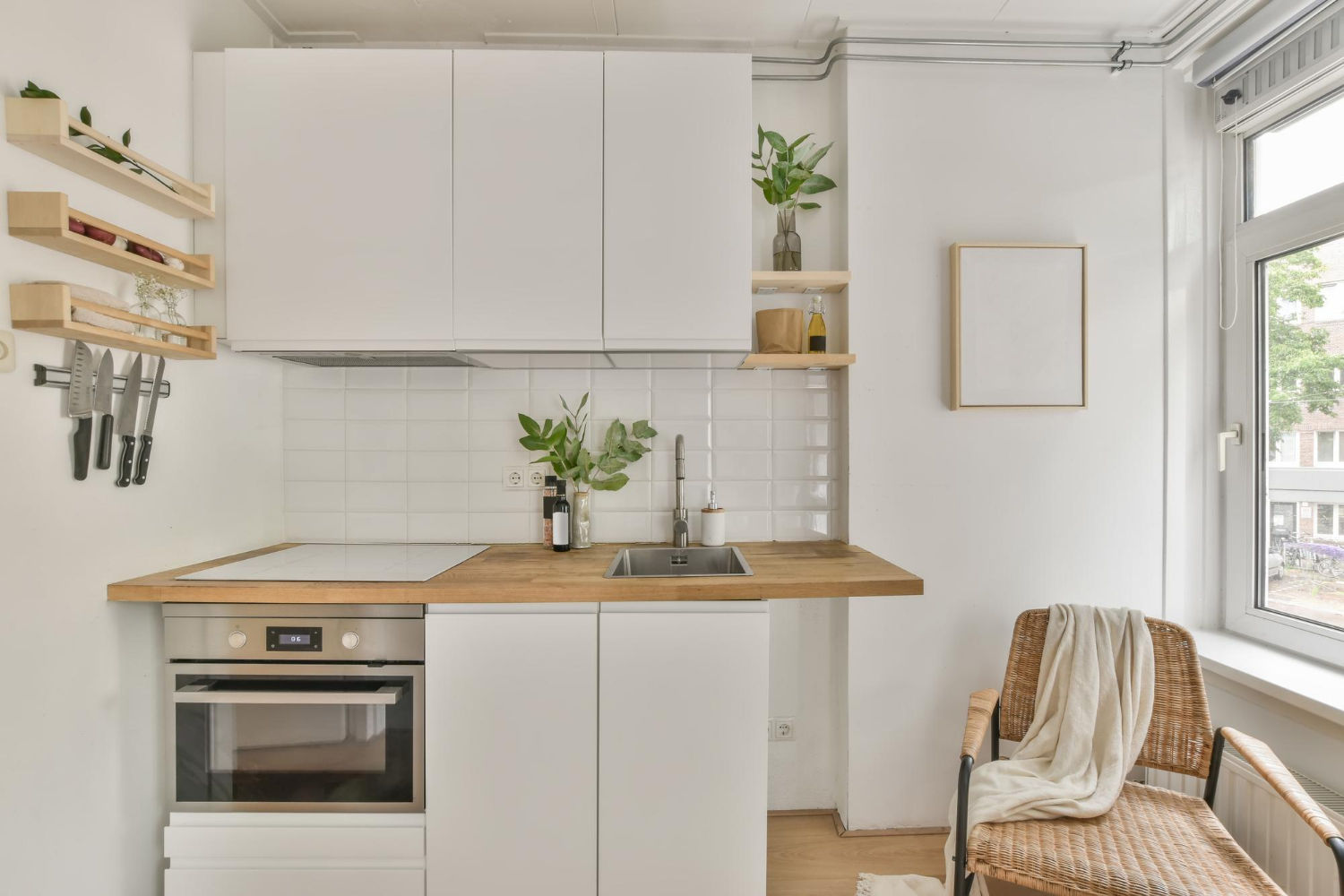
White thermofoil kitchen cabinets
No matter what trendy designers say, Cut2Size day-by-day experience shows that white remains the most in-demand choice for modern and transitional kitchens.
Thermofoil white kitchen cabinets are so popular because of their:
-
Brightens, visually expanding the space
White gloss thermofoil cabinets are ideal for small kitchens or condos with limited natural lighting. -
Timeless appeal
Shaker-style white thermofoil cabinet doors can easily transition between styles, such as modern, Scandinavian or farmhouse. They go with anything - wood tones, marble or quartz, black or brass hardware. -
Budget-friendly consistency
RTA white thermofoil kitchen cabinets deliver a smooth, flawless white tone without the cost of professional paintwork.
Grey thermofoil kitchen cabinets
Grey is a modern alternative to white. It's popular in kitchens with urbane-inspired kitchens and high-end remodels.
-
Low-risk design option
Thermofoil grey cabinets are ideal if you want to have a resaleable kitchen. They go well with multiple materials - stainless steels, wood, natural stone and both warm and cool tones. -
No visible wear and tear
Grey conceals daily wear and smudges better than white. It is therefore a practical choice for busy families. -
Modern yet neutral
Matte gray thermofoil finishes can be used to achieve a minimalist and calm aesthetic.
Gloss vs. matte thermofoil finishes
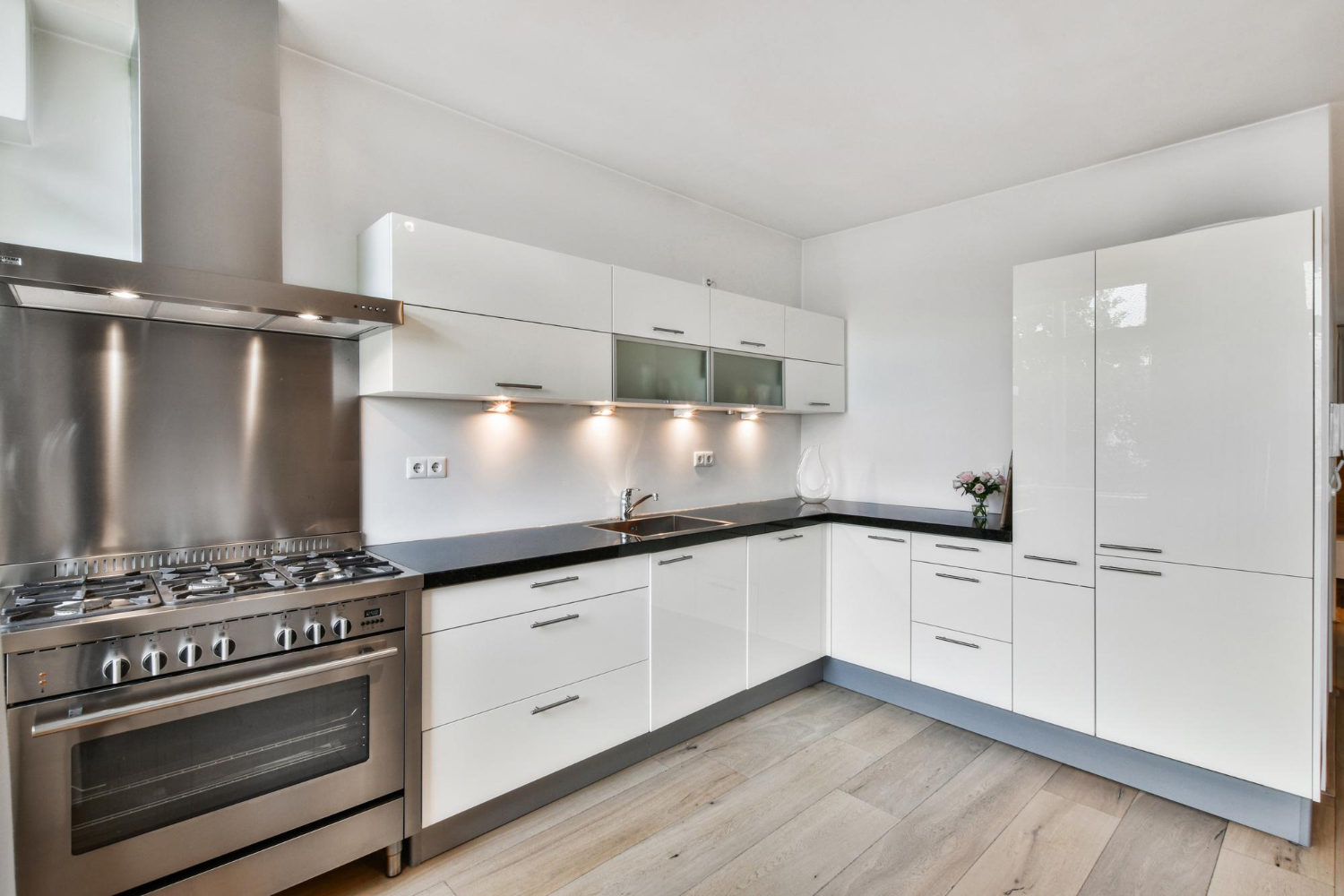
Your choice of finishes can make a big difference in the mood and atmosphere of your room.
Glossy thermofoil cabinets are very popular in European-style and modern kitchens. Glossy finishes reflect light, making kitchens appear larger. They also complement various design elements, such as handleless cabinets or integrated appliances. A glossy finish is especially effective with white cabinets.
Matte thermofoil, on the other hand, is a favourite for transitional or contemporary kitchens. It offers a calming and soft texture. Matte surfaces conceal fingerprints, smudges and microscratches much better than glossy surfaces. They pair well with natural textures, including butcher block, stones, and brushed metal.
Tip: Before you decide, think about the kitchen lighting that you can utilize. The uniform colour of thermofoil will be more striking in natural light.
Thermofoil kitchen cabinet maintenance and cleaning
Easy maintenance is one of the main selling points for thermofoil kitchen cabinets. Cleaning them is as easy as it gets - just a damp cloth and you're done:
-
To avoid scratches, use a soft microfiber towel;
-
Use mild soap and water to clean; avoid harsh chemicals such as ammonia-based cleaners;
-
To prevent water damage, don't wet them too much;
-
If there are any peeling surfaces, do not scrub them to prevent further damage.
These easy steps will help homeowners maintain a good-looking finish on their cabinets and prolong their life.
Tip: Kitchen cabinet doors finished with thermofoil can be particularly sensitive along the edges, so regular wiping is better than occasional wet washing.
Repairing and refinishing thermofoil cabinets
Over time, even the best thermofoil cabinets will need some attention. After years of usage, peeling, scratches, or worn corners are common problems. Many homeowners wonder how to repair thermofoil cabinets or refinish them. Answers vary depending on the extent of damage.
Minor repairs
-
Repairing small chips or scratches in thermofoil kitchen cabinet doors can be accomplished using a vinyl repair kit or special touch-up paint for thermofoil surfaces.
-
If the thermofoil is peeling off your kitchen cabinets, you can apply a thin layer of contact cement underneath and press down firmly. Avoid heat sources when repairing.
-
Painting thermofoil kitchen cabinets is a feasible DIY option for updating a worn finish. Although it is possible to paint thermofoil kitchen cabinets, you will need to sand them very carefully and then use a bonding primer.
Door replacement and refacing
-
Thermofoil kitchen cabinet door replacement is often less expensive than replacing a whole cabinet. There are many options, as thermofoil cabinets can be custom-made in any desired finish or texture.
-
Refacing thermofoil kitchen cabinets is a complex process best entrusted to a professional. They would peel the skin off the MDF door and cover it with a new layer of thermofoil of your choice.
DIY vs professional installation
Most homeowners are unsure whether they should install thermofoil cabinets on their own or hire pros. The answer depends on many factors, including the layout complexity, the cabinet type (for instance, frameless thermofoil cabinets require skilled alignment), whether they are custom or standard cabinets, etc. Let's outline the basic rules of thumb.
When you can go DIY
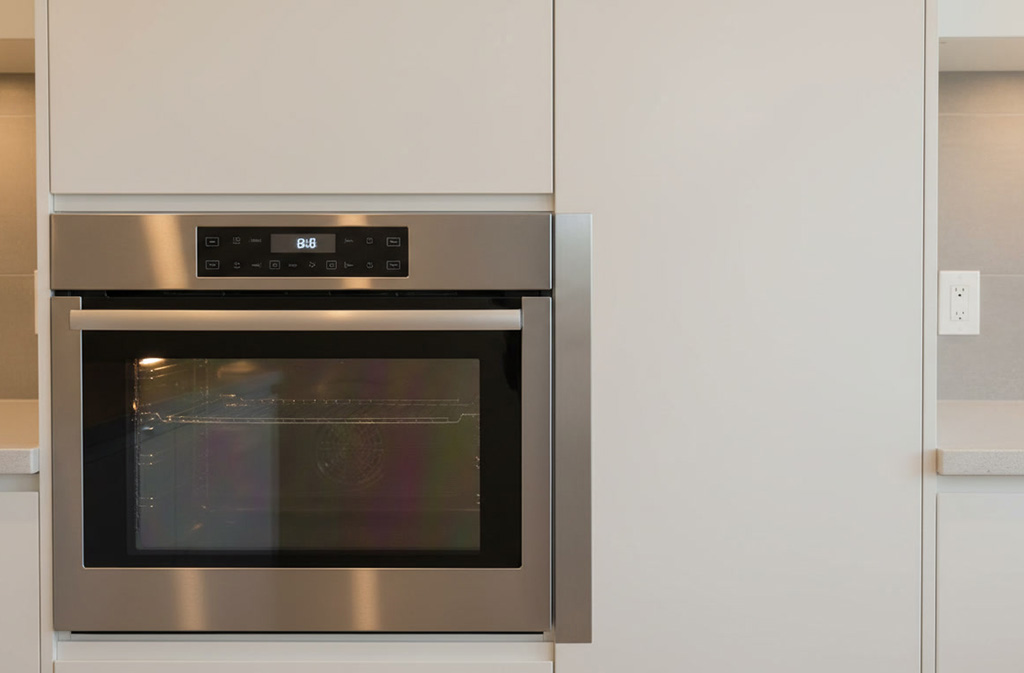
RTA cabinets and door replacements can benefit from self-assembly and installation. Basic skills and tools are required, as well as patience and careful handling, in order to avoid damage. Thermofoil is a thin layer of polyvinyl chloride that is heat-bonded to MDF board. It can start to chip or peel if:
-
A drill slips when adding handles or pulls;
-
A screw is overtightened;
-
Edges are bumped or forced during assembly;
-
Panels are exposed to heat from tools (e.g., a heat gun or overuse of a drill);
In other words, DIY is fine as long as you are careful and the project doesn't seem too complicated.
Professional Installation
This is recommended for kitchens with a complex layout and custom or frameless thermofoil kitchen cabinets. The professionals know how to handle thermofoil without damaging its surface, in particular:
-
Drilling without microcracks to the thermofoil surface;
-
Avoid heat buildup, which can loosen the thermofoil's bond;
-
Ensure hinges and drawer slides are aligned to prevent doors from rubbing (rubbing can lead to thermofoil peeling or bubbling);
-
Installing large thermofoil doors properly to avoid stress on MDF core;
-
Sealing the exposed MDF edges to prevent moisture getting under thermofoil;
-
Protecting surfaces from scratches when mounting.
Installing thermofoil incorrectly is a major cause of peeling early, particularly at the edges of doors and near hinges. Pros know how to avoid such risks. Professional installation can be a wise investment for many homeowners. It will last longer and cause fewer headaches in the future.
Is thermofoil right for your kitchen?
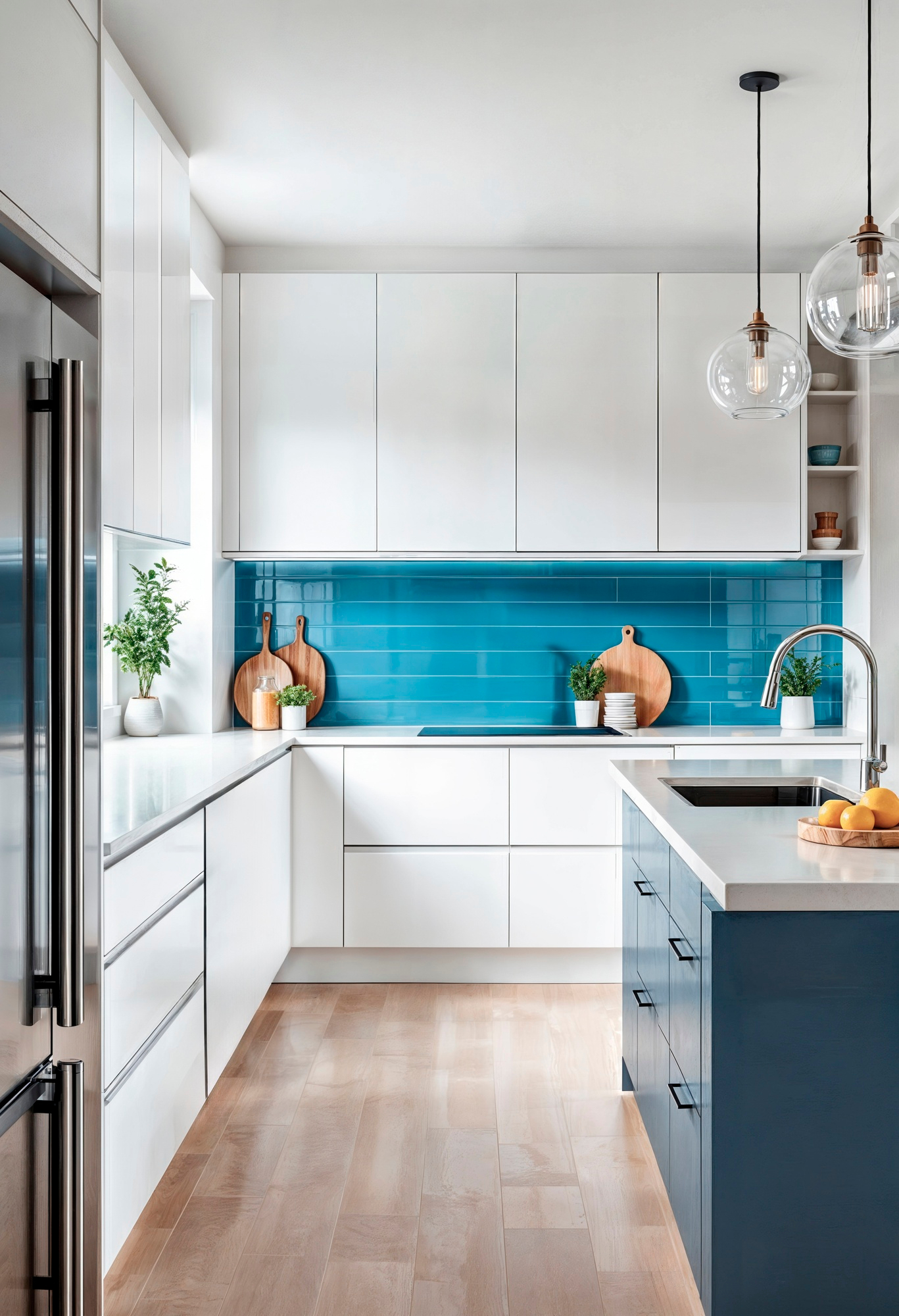
Thermofoil cupboards are a great combination of style, affordability and functionality. These cabinets are perfect for homeowners who are looking for a uniform, modern finish without the constant maintenance and cost of solid wood.
When choosing thermofoil:
-
Take into consideration the layout of your kitchen and its moisture exposure.
-
Choose between custom, frameless and RTA options.
-
Select a colour and finish to complement your style.
-
Plan your ability of regular cleaning and occasional minor repairs.
The right planning can turn your kitchen into an attractive, modern and functional space that will last for many years.
Expert cabinet suppliers, like Cut2Size, can make it easier to buy high-quality thermofoil cupboards for your kitchen. This includes precise cuts and smooth finishes, and options that are suitable for both standard kitchens and custom ones.